Ever noticed how a perfume smells different an hour after you put it on? That's by design. Fragrances are built in three layers — top, heart and base notes — that unfold over time as the lighter ingredients evaporate and the richer ones emerge. Understanding this "scent pyramid" makes it much easier to choose a fragrance you'll love all day.
Here's a simple guide to how fragrance notes work.
The three layers of a fragrance
- Top notes — the first impression, smelled in the opening minutes. Usually light and fresh: citrus, fruit, light herbs and spices. They fade fast (5-15 minutes).
- Heart (middle) notes — the "body" of the fragrance that emerges as the top notes fade, lasting a few hours. Often florals, spices and green notes — this is the character of the scent.
- Base notes — the foundation that lingers longest, sometimes all day. Rich and deep: vanilla, amber, musk, oud, woods and resins. They give a fragrance its lasting power.
When you test a perfume, don't judge it on the first sniff — give it 30 minutes to an hour to reveal its heart and base. That's the scent you'll actually wear.
Explore fragrances by character
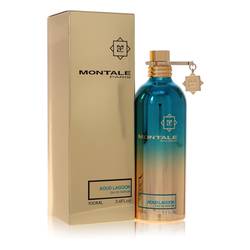
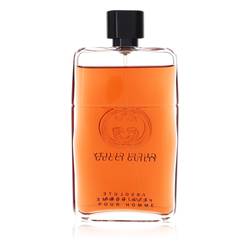
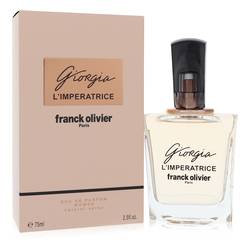
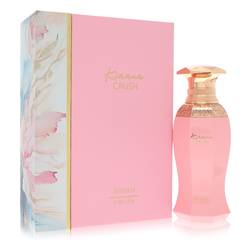
From fresh citrus openings to deep amber and oud bases — discover scents across every note family.




Frequently asked questions
What are top, heart and base notes?
Top notes are the first scents you smell (light and fleeting), heart notes form the main body of the fragrance, and base notes are the long-lasting foundation that lingers for hours.
How long do top notes last?
Top notes typically last 5-15 minutes before the heart notes take over. This is why a perfume smells different shortly after applying.
Which notes make a perfume last longer?
Heavy base notes — vanilla, amber, musk, oud, woods and resins — give a fragrance its longevity. Scents rich in these last far longer than light citrus colognes.
Every fragrance featured here is 100% genuine, in stock and ships across the UK and worldwide. Browse the full collection and find your next signature scent.